
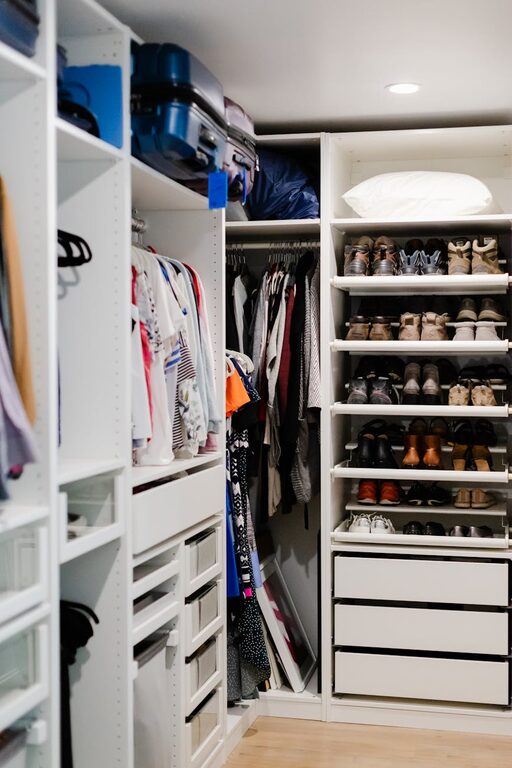
Storing seasonal clothes efficiently can help keep your home organized, protect your garments, and make it easier to find what you need when the seasons change. Whether it’s bulky winter coats or delicate summer dresses, proper storage not only saves space but also extends the life of your clothes. In this post, we’ll explore practical methods and smart storage solutions to help you handle seasonal clothing with ease.
Why Efficient Seasonal Storage Matters
Before diving into storage tips, it’s helpful to understand why efficient storage is important:
– Saves Space: Seasonal clothes often take up valuable closet space that could be used year-round.
– Protects Clothes: Proper storage prevents damage from moisture, pests, dust, and sunlight.
– Simplifies Wardrobe Management: Rotating clothes seasonally makes your closet less cluttered and more functional.
With these benefits in mind, let’s look at how to prepare and store your seasonal clothing effectively.
Step 1: Sort and Declutter Your Wardrobe
Start by sorting through your clothes to decide what to keep, donate, or discard. This step reduces unnecessary clutter and helps organize only the items you truly use.
– Try On Clothes: Check fit and condition.
– Assess Wear: Discard or mend damaged clothes.
– Separate by Season: Group summer and winter clothes separately.
Decluttering before storage ensures you only store what you actually need.
Step 2: Clean Clothes Before Storing
One of the most important steps is to clean your clothes properly before putting them away. Dirt, oils, and stains can attract insects or cause fabrics to deteriorate over time.
– Wash or dry clean: Follow care labels for best results.
– Make sure clothes are thoroughly dry: Moisture promotes mold and mildew.
– Remove any accessories or detachable parts: Store them separately if needed.
Clean clothes stored in good condition will be ready to wear without extra effort later.
Step 3: Choose the Right Storage Containers
Selecting the proper storage containers helps protect your clothes and keeps them organized.
Types of Storage Options:
– Plastic Bins: Airtight containers protect against moisture but choose breathable options if storing natural fibers to avoid mildew.
– Fabric Storage Bags: Lightweight and breathable, ideal for delicate items.
– Vacuum-Seal Bags: Save space by compressing bulky items but may not be suitable for all fabrics.
– Suitcases: Great for storing items you use infrequently.
– Closet Organizers: Hanging organizers or under-bed storage can be convenient for smaller spaces.
When picking containers, consider the fabric type, amount of space, and ease of access.
Step 4: Use Proper Techniques to Maximize Space
How you fold or hang your clothes impacts storage efficiency.
– Fold Bulky Items: Knitwear and sweaters can be folded to avoid stretching.
– Roll Thin Clothes: T-shirts, lightweight pants, and scarves can be rolled to save space and minimize wrinkles.
– Use Cedar Blocks or Lavender Sachets: These natural repellents keep clothes smelling fresh and deter pests.
– Store in Layers: Place heavier items at the bottom and lighter ones on top if stacking boxes.
Using labels on storage boxes or bags helps you find items without rummaging through everything.
Step 5: Store Seasonal Clothes in Appropriate Locations
The place where you store your clothes influences their longevity.
– Avoid Damp or Humid Areas: Basements or garages can cause mold.
– Keep Away from Direct Sunlight: UV rays fade colors and weaken fibers.
– Ensure Good Airflow: Prevention of stale air keeps clothes fresh.
– Use Closet Shelves or Under-Bed Storage: These convenient places help optimize space inside your living areas.
If you lack ideal storage space, investing in off-season storage services or renting a small closet may be an option worth considering.
Step 6: Check Stored Clothes Periodically
It’s a good idea to inspect your stored seasonal clothes every few months.
– Look for signs of pests or moisture damage.
– Refresh natural repellents or laundry sachets.
– Reorganize items if necessary.
Regular checks ensure your clothes remain in good condition and ready for use.
Bonus Tips for Specific Types of Clothes
– Winter Coats: Use sturdy hangers and garment bags to preserve shape.
– Silk and Delicate Fabrics: Store flat or rolled in breathable fabric bags.
– Shoes: Clean, dry, and store in boxes with shoe trees or stuffed with paper for shape retention.
– Swimwear: Store in dry, ventilated containers to prevent mildew.
Conclusion
Efficiently storing seasonal clothes can make a huge difference in how organized and functional your living space feels. By sorting, cleaning, selecting the right containers, and storing garments in suitable locations, you’ll protect your wardrobe and reduce clutter year-round. Make it a habit to review your clothes each season — it’s a simple routine that yields lasting benefits.
Implement these strategies today, and you’ll enjoy fresh, well-maintained clothes waiting for you every season!