
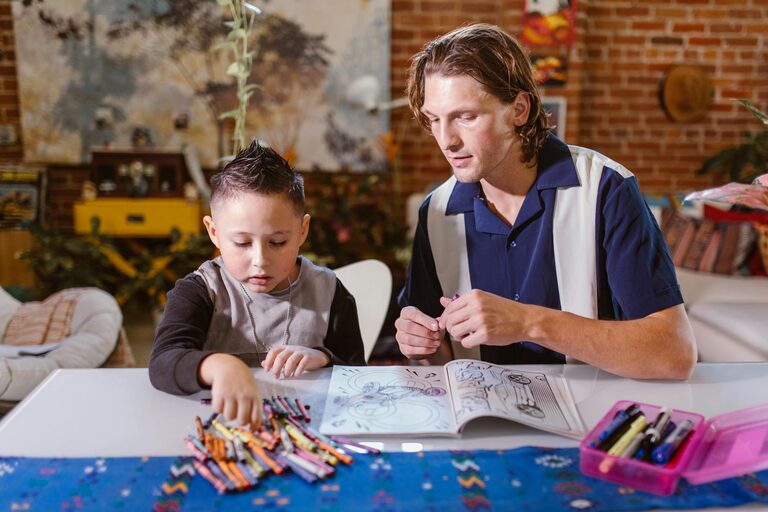
Every parent knows the joy of receiving a colorful drawing or a handmade craft from their child. Kids’ artwork can brighten up your home and capture their creativity at different stages. However, as the masterpieces pile up, it can become overwhelming to keep everything neat and organized. If you’re wondering how to manage your child’s growing collection of artwork without drowning in paper and crafts, this guide offers practical tips to help you stay organized while cherishing their creativity.
Why Organize Kids’ Artwork?
Before diving into tips, it’s helpful to understand why organizing your child’s artwork matters:
– Preserves memories: Sorting and keeping art thoughtfully means you can look back on their growth over time.
– Declutters space: Managing artwork reduces clutter and keeps your home tidy.
– Encourages creativity: An organized space for art inspires kids to continue creating.
– Teaches organization skills: Involving children can help them learn to value and care for their work.
1. Create a Display Area for Current Favorites
Displaying artwork helps your child feel proud and appreciated. It also provides a temporary home for current creations.
How to set up a display area:
– Use a corkboard or magnetic board in a common area.
– Hang a string with clips on a wall for easy rotation.
– Frame a few standout pieces and swap them seasonally.
Encourage your child to pick their favorite pieces to showcase. When new artwork arrives, replace older pieces and move them to storage or recycle.
2. Set Up a Dedicated Storage System
To keep older artwork safe and organized, create a storage method that fits your space and needs.
Storage ideas include:
– Portfolios or binders: Use large sleeves or clear envelope pages inside a binder for flat artwork.
– File boxes: Label by year or age to keep drawings and paintings sorted.
– Plastic bins: Perfect for 3D crafts and bulkier pieces.
– Digital storage: Take photos of artwork and create a digital archive or online gallery.
Choose containers that are easy to access so your child can revisit their work anytime.
3. Regularly Sort and Cull
It can be tempting to keep every drawing, but setting limits helps manage clutter.
Tips for sorting:
– Review items monthly or quarterly.
– Keep only meaningful or exceptional pieces.
– Recycle or repurpose less significant works.
– Consider asking your child what they want to keep.
Having a routine helps prevent buildup while giving priority to the most special creations.
4. Use Digital Tools to Capture and Share Art
Technology can make organizing art easier and more fun.
Digital options:
– Take clear photos of artwork, especially bulky or fragile items.
– Create digital photo books or slideshows.
– Use apps designed to organize kids’ art collections.
– Share portfolios with family members via email or private social media albums.
This approach saves physical space while preserving memories long-term.
5. Incorporate Art into Everyday Items
Transform artwork into usable objects or gifts, giving it a new life beyond storage.
Creative ideas:
– Turn drawings into calendars, mugs, or greeting cards.
– Laminate artwork to create placemats.
– Use art in scrapbooks or journals.
– Gift copies to relatives to spread joy.
These options celebrate your child’s creativity and reduce paper accumulation.
6. Involve Your Child in the Process
Teaching kids to organize their art builds responsibility and pride.
How to engage kids:
– Let them choose which pieces to display or keep.
– Encourage decorating their storage boxes or binders.
– Set up an art sorting day as a fun family activity.
– Discuss how keeping organized helps them find and enjoy their artwork later.
Kids feel valued when included, making organization a positive habit.
7. Use Labels and Categories
Clear labeling makes it easier to find and manage artwork over time.
Labeling tips:
– Sort by date, grade, theme, or type of art.
– Use simple labels on folders or bins.
– Maintain an inventory list if desired.
– Color code to distinguish between siblings or years.
Good categorization saves time and keeps things orderly.
Final Thoughts
Organizing your child’s artwork might seem daunting at first, but with a few simple systems, it can become a fun and rewarding part of your family routine. Balancing display, storage, and regular review keeps your home tidy and ensures those creative memories are treasured for years to come. Remember to involve your child in the process—it’s a wonderful way to encourage their creativity and teach valuable organizational skills along the way!
Happy organizing!